
An echocardiogram uses sound waves to produce images of your heart. This commonly used test allows your doctor to see your heart beating and pumping blood. Your doctor can use the images from an echocardiogram to identify heart disease. Depending on what information your doctor needs, you may have one of several types of echocardiograms. Each type of echocardiogram has few, if any, risks involved.
Why it's done
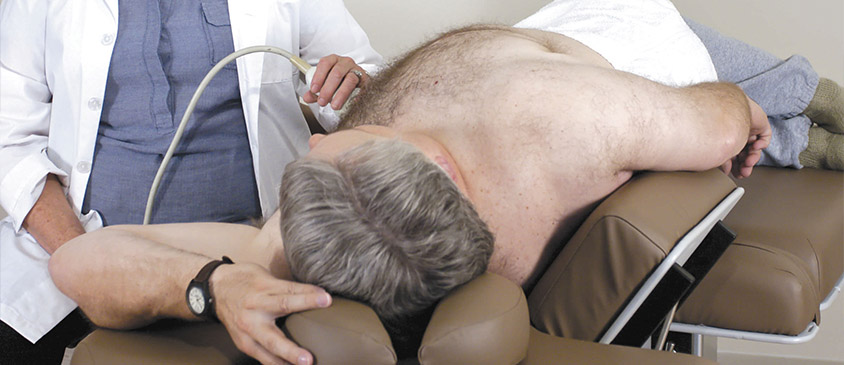
- Transthoracic echocardiogram. This is a standard, noninvasive echocardiogram. A technician (sonographer) spreads gel on your chest and then presses a device known as a transducer firmly against your skin, aiming an ultrasound beam through your chest to your heart. The transducer records the sound wave echoes from your heart. A computer converts the echoes into moving images on a monitor.
- Transesophageal echocardiogram. If it's difficult to get a clear picture of your heart with a standard echocardiogram or if there is reason to see the heart and valves in more detail, your doctor may recommend a transesophageal echocardiogram. In this procedure, a flexible tube containing a transducer is guided down your throat and into your esophagus, which connects your mouth to your stomach. From there, the transducer can be positioned to obtain more-detailed images of your heart. Your throat will be numbed, and you'll have medications to help you relax during a transesophageal echocardiogram.
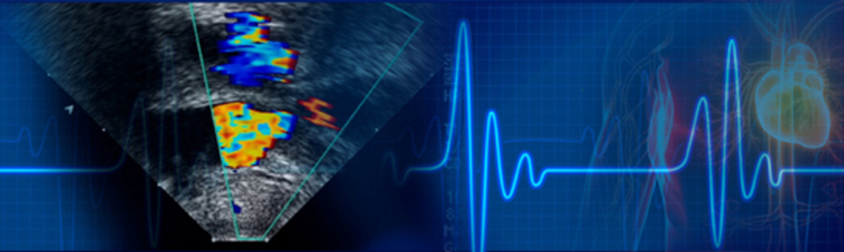
- Doppler echocardiogram. When sound waves bounce off blood cells moving through your heart and blood vessels, they change pitch. These changes (Doppler signals) can help your doctor measure the speed and direction of the blood flow in your heart.
Risks
There are no risks involved in a standard transthoracic echocardiogram. You may feel some discomfort similar to pulling off an adhesive bandage when the technician removes the electrodes placed on your chest during the procedure. If you have a transesophageal echocardiogram, your throat may be sore for a few hours afterward.
How you prepare
No special preparations are necessary for a standard transthoracic echocardiogram. You can eat, drink and take medications as you normally would.
Your doctor will ask you not to eat for a few hours beforehand if you're having a transesophageal or stress echocardiogram. If you have trouble swallowing, let your doctor know, as this may affect his or her decision to order a transesophageal echocardiogram.